Chapter II
The Cloud Chamber
Watching cosmic rays fall through a fish tank
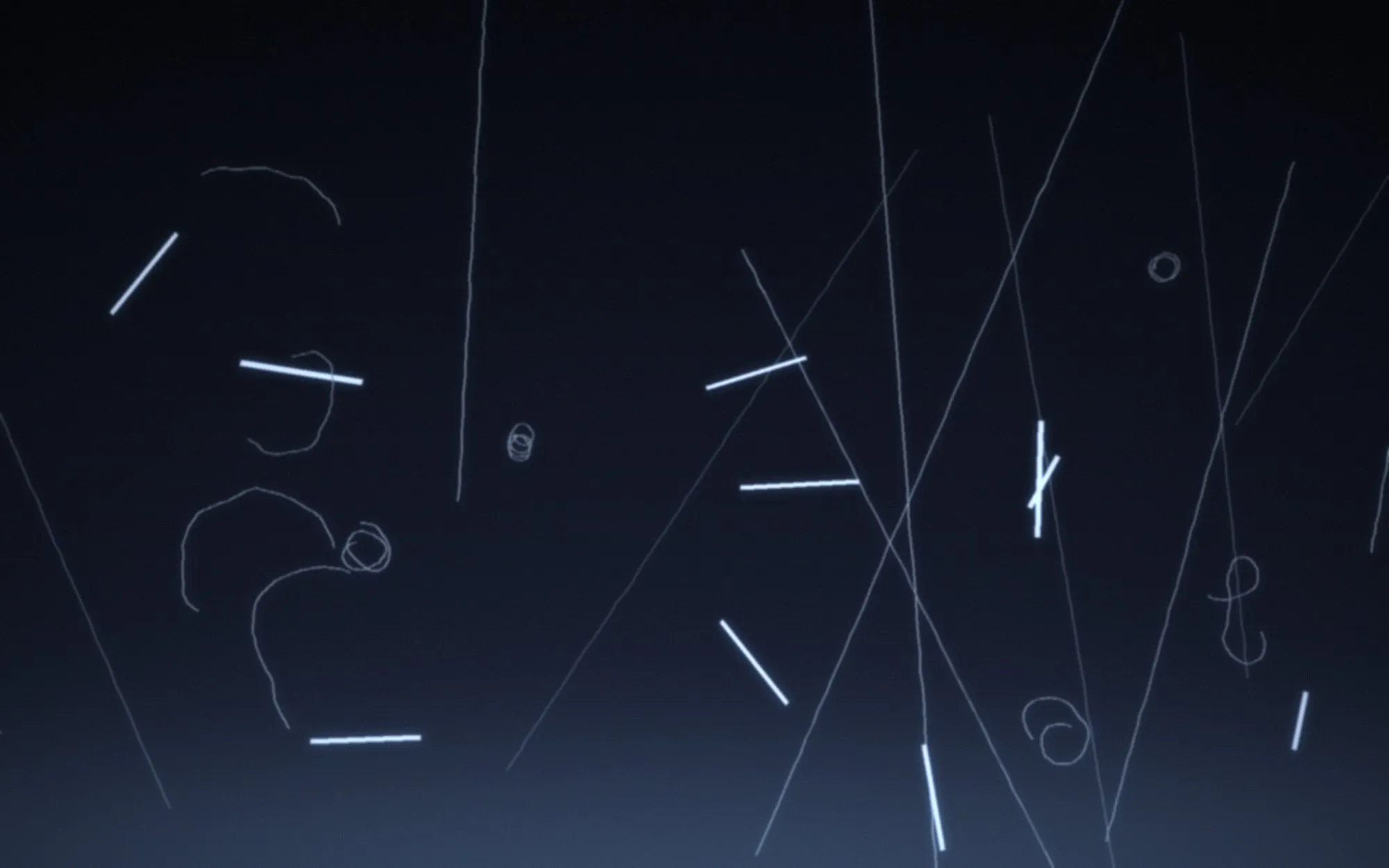
Every minute, a few hundred muons pass through your body. They are born twenty kilometres up, when cosmic rays slam into the atmosphere, and they arrive moving so fast that relativity is the only reason they survive the trip. You can’t feel them. But with a cold plate and some alcohol vapour, you can watch them.
This chapter is the story of building a chamber that does exactly that, and of the three weekends it took to get the first track.
The question
Can a chamber built from things in a hardware store show particle tracks clearly enough to tell one kind of particle from another?
The build
The design is simple: a black metal plate sits on dry ice at −78 °C, an upturned fish tank sits on the plate, and a strip of felt soaked in isopropyl alcohol lines the top of the tank. Alcohol evaporates at the warm top, sinks, cools, and hangs just above the plate as a layer of vapour that badly wants to condense.
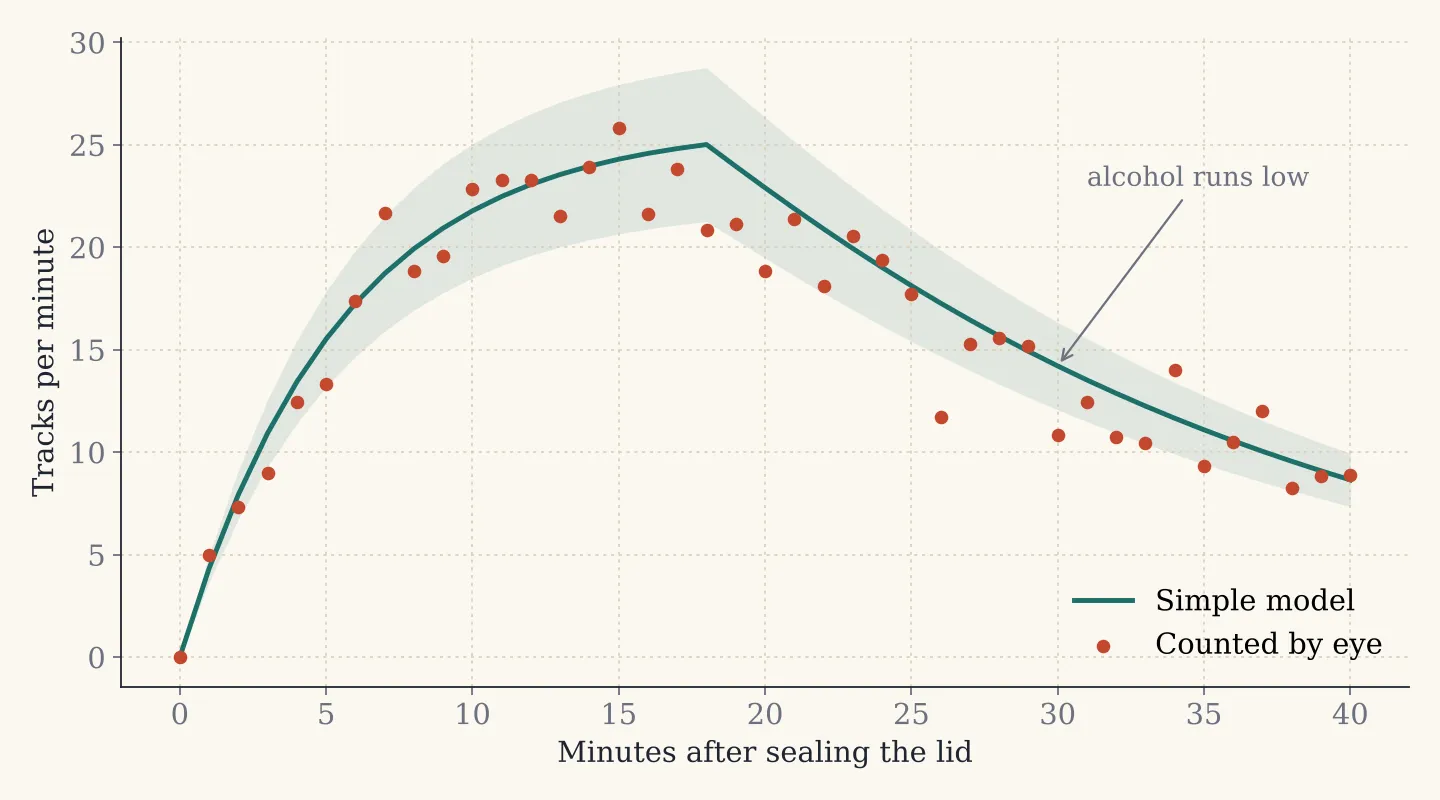
The trick is getting that layer thick enough. Too warm and nothing condenses; too little alcohol and the layer is a millimetre thin.
| Attempt | Plate temperature | Alcohol | Result |
|---|---|---|---|
| 1 | −20 °C (ice + salt) | 70% | Nothing. Just fog. |
| 2 | −78 °C (dry ice) | 70% | Faint mist, no tracks |
| 3 | −78 °C (dry ice) | 99% | Tracks within 4 minutes |
What appeared
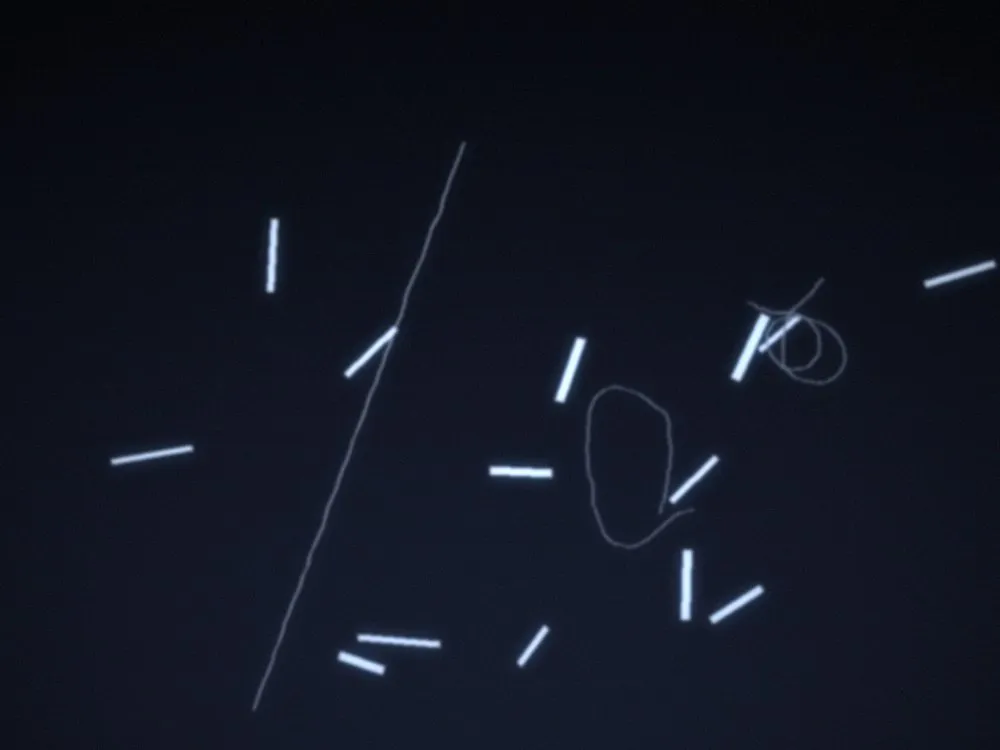
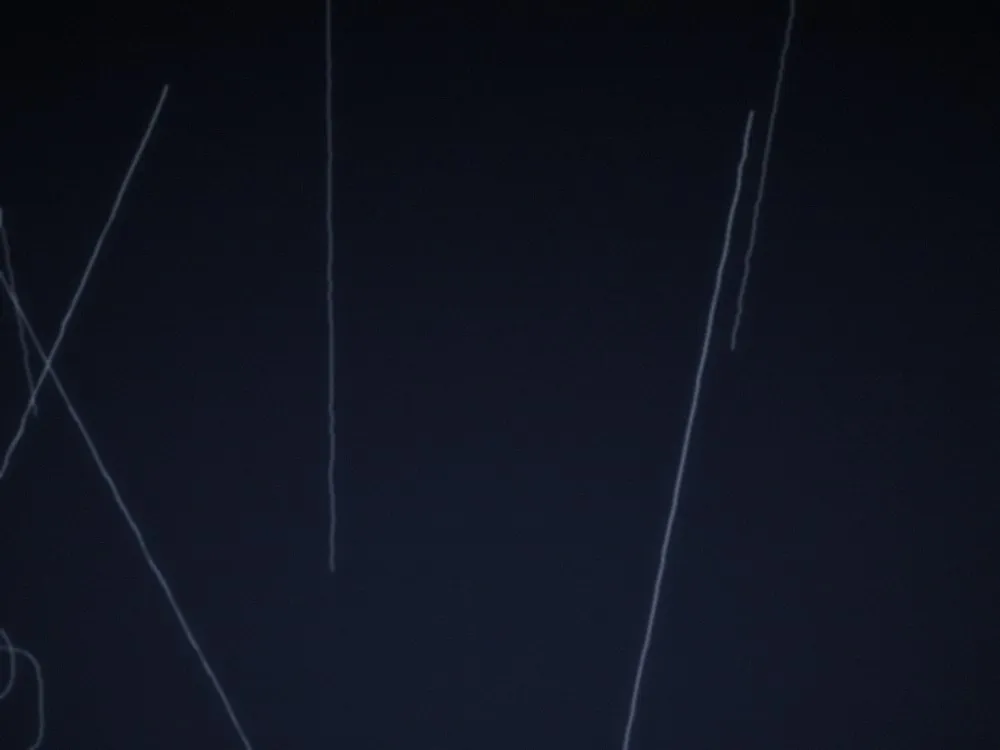
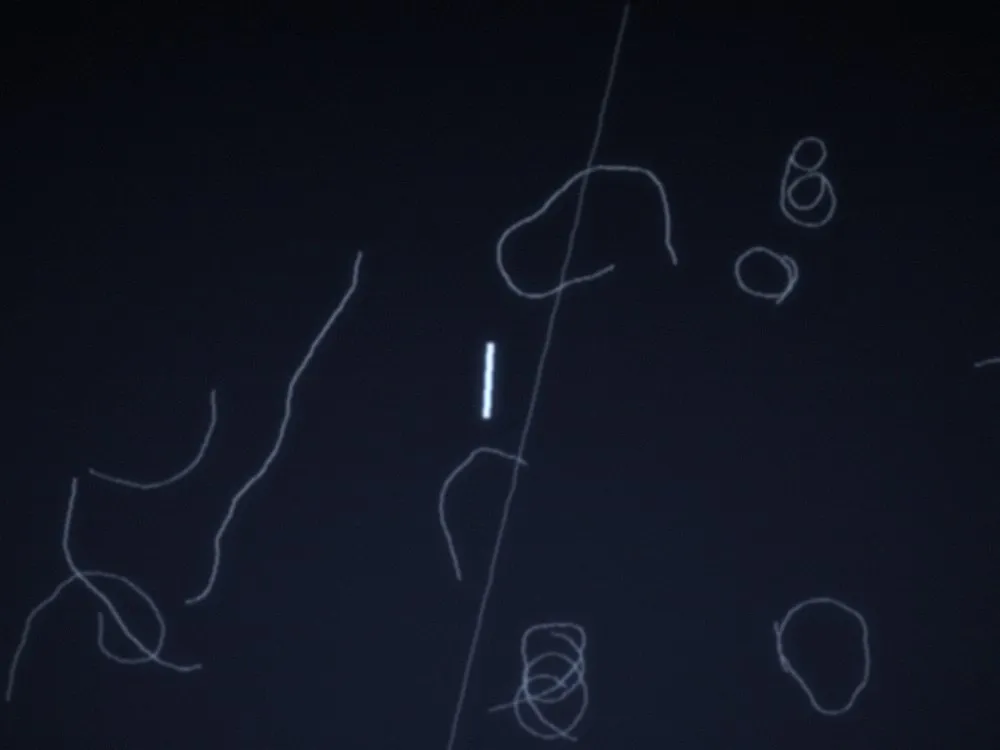
Once the vapour layer formed, tracks began to appear, a few each second, each lasting about a second before it sank and faded.
What I learned
The physics was the easy part. The engineering was all about temperature gradients and keeping the inside of the tank still: every draft destroyed the layer.
If I build another, I would add a Peltier stack instead of dry ice so it can run for hours, and a small radioactive source (a thoriated welding rod) to have something to point at.